
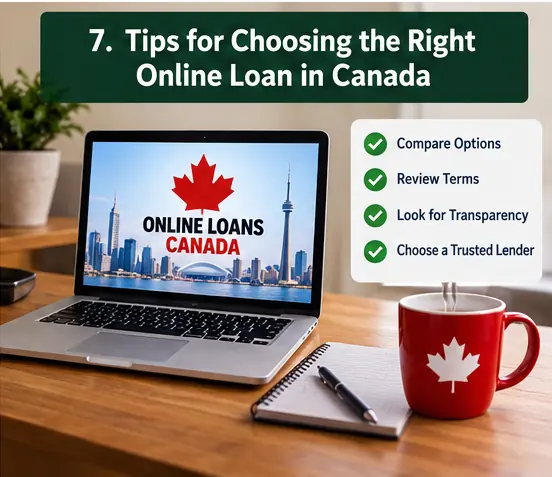
 With numerous financial products available online, selecting a suitable loan can require more research than simply completing an application. Different lenders offer different repayment structures, eligibility standards, and borrowing costs. For consumers comparing online loan options in Alberta, identifying a trustworthy lender and choosing affordable repayment terms should be the main priorities. A careful comparison can help prevent expensive borrowing mistakes and support better financial decisions.
Begin by Defining Your Borrowing Needs
Before comparing lenders, identify the purpose of the loan and the precise amount required.
A small emergency expense may require a different approach from a larger planned purchase.
Similarly, someone seeking to consolidate existing debt has different financial needs from someone facing a temporary gap between income and essential expenses.
Understanding the purpose of the financing can help determine whether a personal loan, credit union product, line of credit, or another arrangement is suitable.
Borrowers should avoid accepting larger loan amounts simply because a lender makes additional funds available.
Every additional dollar creates a repayment obligation.
Compare More Than One Lender
Shopping around can reveal meaningful differences in the cost and conditions of borrowing.
A lender advertising a low monthly payment may offer a longer repayment period that increases the overall cost.
Another institution may charge a higher individual payment but require less interest over the complete loan term.
Comparisons should therefore focus on the total repayment amount and the borrower’s ability to meet each scheduled payment.
For comparable loan products, examine the principal, interest rate or borrowing fee, repayment period, additional charges, and default conditions.
Using the same borrowing amount when comparing offers makes the differences easier to understand.
Evaluate the Lender’s Transparency
Trustworthy lending businesses should clearly explain their financial products.
Important information includes the company’s legal identity, applicable borrowing charges, repayment requirements, and customer service contact details.
Consumers should be cautious when key information is difficult to locate or is provided only after extensive personal information has been submitted.
A lender should not use aggressive pressure tactics to prevent applicants from reviewing the agreement.
Take time to read the terms and ask questions before signing anything.
Verify Licensing and Consumer Protections
Licensing requirements depend on the loan product and the jurisdiction.
In Alberta, payday lenders must be licensed even when they operate exclusively through the internet.
Other provinces maintain their own consumer protection rules and oversight systems.
Checking with the appropriate provincial authority can help determine whether a business is legally authorized to provide the type of financing it advertises.
Consumers should also be aware of the rights associated with their particular loan agreement.
These may include disclosure obligations, restrictions on fees, and specific cancellation protections.
Understanding the applicable rules provides another way to identify potentially problematic lending practices.
Consider Customer Service and Communication
Borrowing involves more than obtaining funds.
Questions may arise about repayment schedules, bank withdrawals, account statements, or changes in financial circumstances.
A lender should provide reasonable ways for customers to communicate and obtain information.
Before accepting an offer, review the available contact methods and determine how repayment concerns are handled.
If a company is difficult to reach before the agreement is signed, that may signal problems with future communication.
Independent customer reviews can provide additional context, although individual experiences should not replace official licensing checks or examination of the loan terms.
Evaluate the True Cost of Convenience
Online applications can reduce travel and paperwork, but an easy process does not necessarily mean an affordable product.
Payday loans, for example, commonly involve high borrowing costs relative to their short terms.
In provinces with regulated payday lending, a $600 loan charged at the maximum of $14 per $100 would involve $84 in borrowing fees.
The borrower would need to repay $684 according to the agreed schedule.
A lower-cost borrowing product or negotiated payment arrangement could provide a different outcome.
Consumers should consider the financial cost of convenience before making their selection.
Avoid Borrowing to Solve Ongoing Budget Problems
Short-term financing is particularly risky when used to cover expenses that occur every month.
If income regularly falls short of essential obligations, taking on additional debt can make the situation more difficult.
A sustainable solution might involve reviewing household spending, increasing available income where possible, negotiating bill arrangements, or seeking help from a nonprofit credit counselling organization.
The goal should be to address the underlying financial problem rather than repeatedly borrowing to postpone it.
Make the Final Decision Carefully
Choosing an online loan requires balancing accessibility, total cost, and repayment affordability.
The most suitable product is not necessarily the one offering the fastest advertised approval or the largest available loan amount.
It is the option that meets a genuine financial need while creating a manageable obligation.
Canadians who compare lenders, examine their agreements, verify business credentials, and consider alternatives are better positioned to make informed borrowing decisions.
An online application may be convenient, but a financially responsible choice begins well before clicking the final acceptance button.